It may surprise you to learn that the average human scalp contains 80,000–120,000 hairs. This number, which varies among individuals and ethnic groups, is a representation of what is commonly referred to as hair density.
Neither having high-density hair nor low-density hair is considered excellent or bad; hair density is not a measure of quality. It is just one of your hair’s numerous qualities, just as its texture or color. The only circumstances in which it can be problematic are severe dietary deficits.
Gaining an understanding of your hair density is essential to maximizing the benefits of your haircare regimen since it allows for customized approaches to styling and upkeep. We will explore the definition of hair density, accurate methods for measuring it, and tried-and-true methods for making hair appear denser in this tutorial. Let us begin – welcome to Hair Density 101.
What is Hair Density?
The quantity of individual hair strands per square inch on the scalp is referred to as hair density. It plays a crucial role in determining the distinct qualities of your hair and is in charge of giving your hair the overall look of being thick or thin.
Hair Density vs. Hair Thickness: What’s the Difference?
Hair density and hair thickness are two concepts that frequently lead to misunderstandings. Both are crucial, but they have different effects on your hair’s general health and manageability.
Hair thickness, as opposed to hair density, is the breadth of a single hair strand. There are three types of hair texture: fine, medium, and coarse. It is also referred to as hair texture.
Contrary to popular belief, thick hair does not automatically equate to high density hair. The breadth of each individual hair strand determines hair thickness, not the total quantity of hairs on the scalp. There could be a lot of hair strands per square inch on your scalp if you have high hair density, yet the texture of each strand could be thin or fine. As a result, the hair would seem voluminous because of the quantity of strands, but because each strand is so thin, it would feel delicate or light. However, even with fewer hair strands, low hair density can still result in thick or coarse hair strands. If the individual strands are thick, the hair may feel robust or heavy even though there are fewer strands altogether.
Types of Hair Density
Determining whether you have low, medium, or high hair density is an essential first step in customizing your hair care regimen. Let us examine each form of density:
Hair with little density
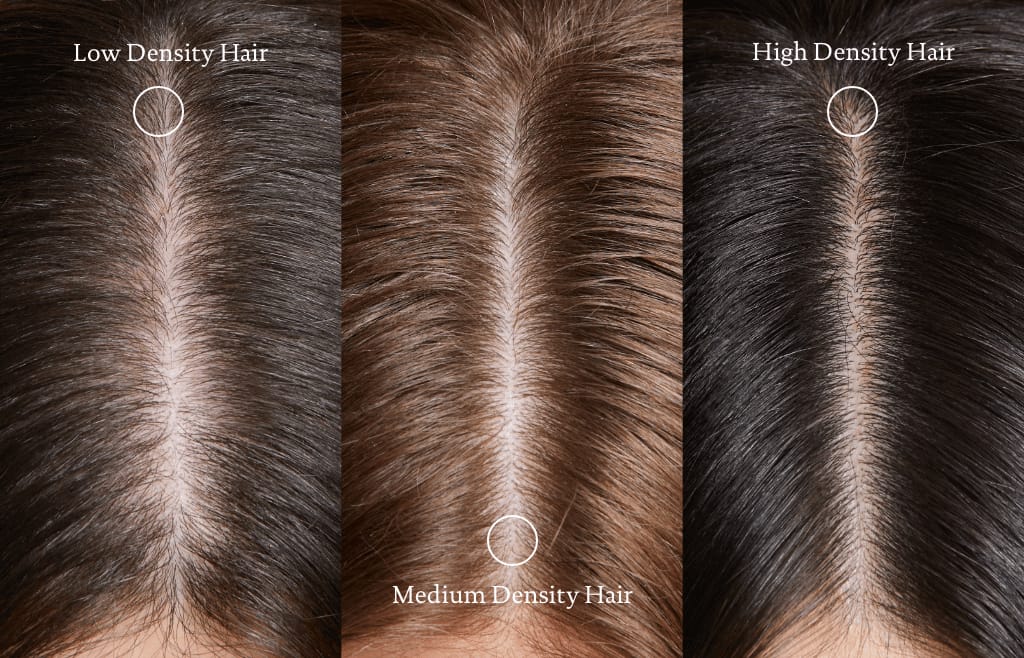
There are fewer hair strands per square inch in low-density hair. Sometimes, even without dividing the hair, the scalp can be seen. Due to its thin nature, this fragile hair type is susceptible to being overpowered by thick products. Here, it is important to use lightweight haircare products.
Hair with a medium density
The intermediate type of hair has an even distribution of hair strands per square inch. Unless the hair is parted, the scalp will not be visible. This sort of hair may be styled in many different ways and works well with a variety of products and looks.
Hair with a high density
High-density hair has the greatest number of hair strands per square inch of the three varieties. It is usually difficult to view the scalp, even when the hair is separated. Because of its thick and full tendencies, this hair type may be more difficult to style and maintain. Thick creams and oils work well to nurture and tame this type of hair.
Why Does Understanding Your Hair Density Matter?
Knowing your hair density can greatly improve the way you take care of your hair and the styles you choose. This is why it is critical to understand your hair density:
Product selection: Various product kinds are frequently needed for varying hair densities. High-density hair may require thicker creams or oils to control the volume, whilst low-density hair may benefit from lighter volumizing treatments. Specifically designed for all low-density hair types is our Full Stylers product line. You could believe that those with thin hair strands are the only ones who use volumizing products. However, our Full Stylers may still achieve the appropriate volume and lift even if you have fewer strands, regardless of their thickness.
Hairstyles that flatter: You can base your hairstyle decisions on your hair density. Low-density hair may be better suited for cuts and styles that provide volume, but high-density hair can tolerate heavier, more structured looks. See the sections below for further details!
Hair health monitoring: Notable variations in hair density may indicate possible medical problems. Monitoring your hair density on a regular basis may enable you to detect early indications of hair loss or thinning.
Personalized hair care regimen: A number of factors, like how often to wash your hair and how much product to use, can be influenced by your hair density. For instance, because of its volume and ability to retain oil, hair with a high density may require more frequent washings and product applications.
Hair wigs and extensions: Your hair density can assist you in selecting the most natural-looking hair wigs or extensions. A match in density can make a big difference in how these hair enhancements blend in and look overall.
Chemical and color treatments for hair: The density of your hair can influence how well color or chemical treatments work for you. For example, high-density hair may require more product for a chemical treatment or take longer to apply color, which could affect the cost and duration of the procedure.
How to Measure Hair Density
It is easier than you might think to determine your hair density. You may assess the density of your hair by following these simple steps:
Wash and dry your hair: Start with a hair that is tidy and dry. Your evaluation may be impacted by the way oils and products alter the clumping and thickness of your hair strands.
Divide your hair: Part your hair in the manner that you normally do. This gives you an accurate picture of the natural density of your hair.
Examine your scalp: Look closely at your scalp in a well lit mirror. You probably have low-density hair if your scalp is visible when you do not actively part your hair. If it is visible to some extent, you probably have medium-density hair. You most likely have high-density hair if your scalp is barely noticeable or not noticeable at all.
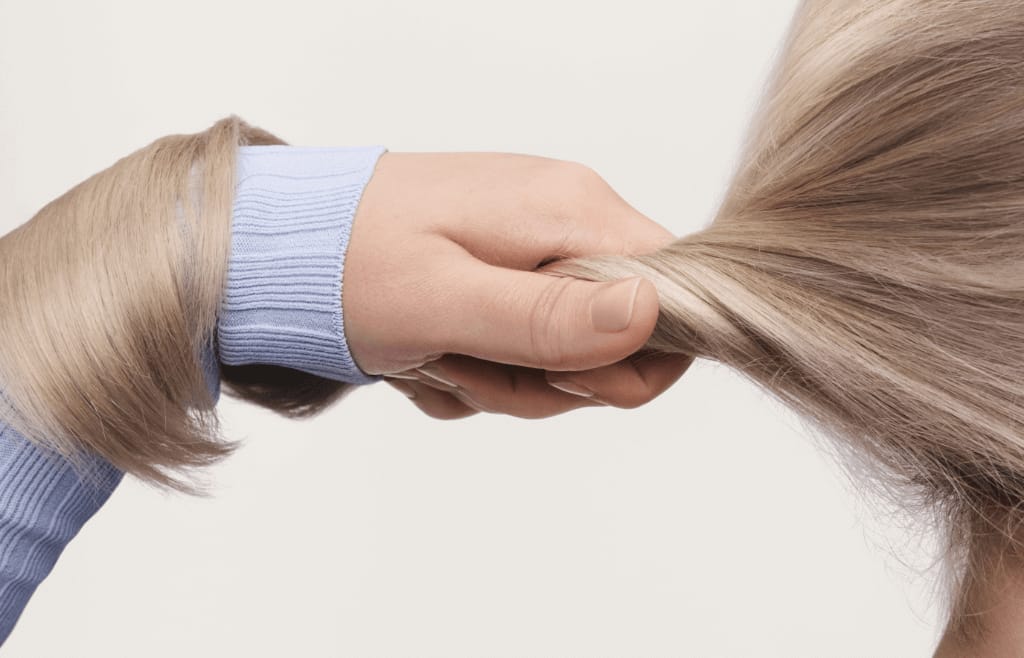
Try the ponytail test: Measure the circumference of your hair after pulling it back into a ponytail whether it is long enough. Less than two inches is a sign of low-density hair. Hair with a density of 2-3 inches indicates medium hair. You have high-density hair if your hair is four inches or longer.
See a professional: A trichologist or professional hair stylist can accurately analyze your hair density if you are having trouble determining it yourself.
Haircare Tips Based on Hair Density Type
Your optimum haircare regimen can be guided by hair density, which can offer advice on the products and style methods that work best for your particular hair type. Based on hair density, the following recommendations are specific to you:
Hair with little density
Products to choose: Go for items that are lightweight and will not weigh your hair down.Styling products, shampoos, and conditioners with added volume can give your hair a fuller appearance. Steer clear of thick creams and oils since they could make your hair appear flat.
Style advice: Choose looks that provide the impression of volume. Waves, curls, and layered cuts can give the appearance of fuller hair. To add volume, think about blow-drying your hair upside down.
Hair with a medium density
Options for products: Medium-density hair usually takes well to a variety of products. Look for ones that preserve the natural harmony of your hair; to achieve the ideal fit, you may need to do some experimenting.
Style advice: You can experiment with a variety of looks with medium-density hair. Whether your hair is curly, wavy, or straight, you may experiment with different looks without having to worry about it being overly full or too flat.
Hair with a high density
Product recommendations: Moisturizing and detangling products are frequently advantageous due to the thickness and volume of high-density hair. To keep your hair well-moisturized and manageable to style, you might need to use heavier creams and oils.
Style advice: Low-volume haircuts and layers, as well as thinning trims, can assist control thick hair. As an alternative, you can use styles that accentuate the fullness of your hair to bring out its inherent volume.
Hairstyles for Your Hair Density
Which hairstyles will bring out your best features depends mostly on how dense your hair is. Let us examine the hairstyles that are most suited to each type of hair density.
Hairstyles with less density
Selecting the appropriate haircut can greatly increase low-density hair’s illusion of volume. Think about the following fashions:
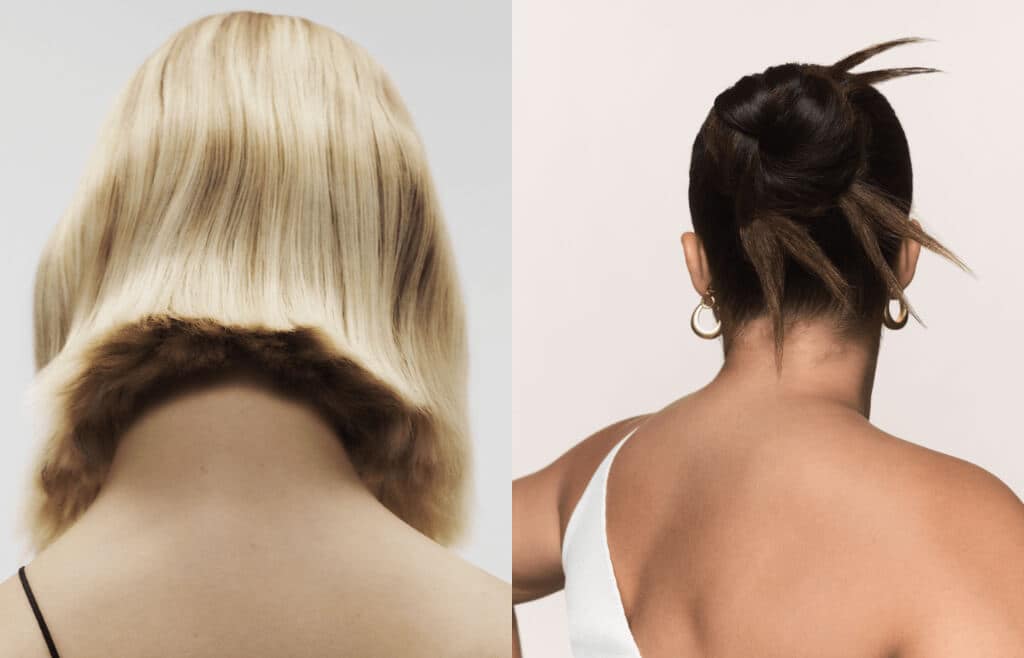
Bob cuts: The dense ends of these cuts give the impression of volume, giving the appearance of fuller skin.
Curls and waves: To increase volume and give the appearance of denser hair, use curlers, a curling iron, or a wave iron.
Updos that increase volume: Go for high buns, teased ponytails, and other styles that draw attention to the density of your hair.
Styles for medium-density hair
Due to the fact that most haircuts complement medium-density hair, there are many styling options available for this type of hair. Here are some recommendations:
Flexible styles: Depending on your particular taste or style, you can pick between short, medium, or long lengths thanks to the versatility of medium-density hair.
Textured hairstyles: Waves, twists, and braids give your hair depth and appeal. Moreover, medium-density hair takes these styles really nicely.
Straight and sleek: Medium-density hair can look smooth and shiny without looking too thin if you like a straight style.
Styles for higher-density hair
Styles that accentuate the inherent volume of high-density hair can help it look fuller. Think about these possibilities:
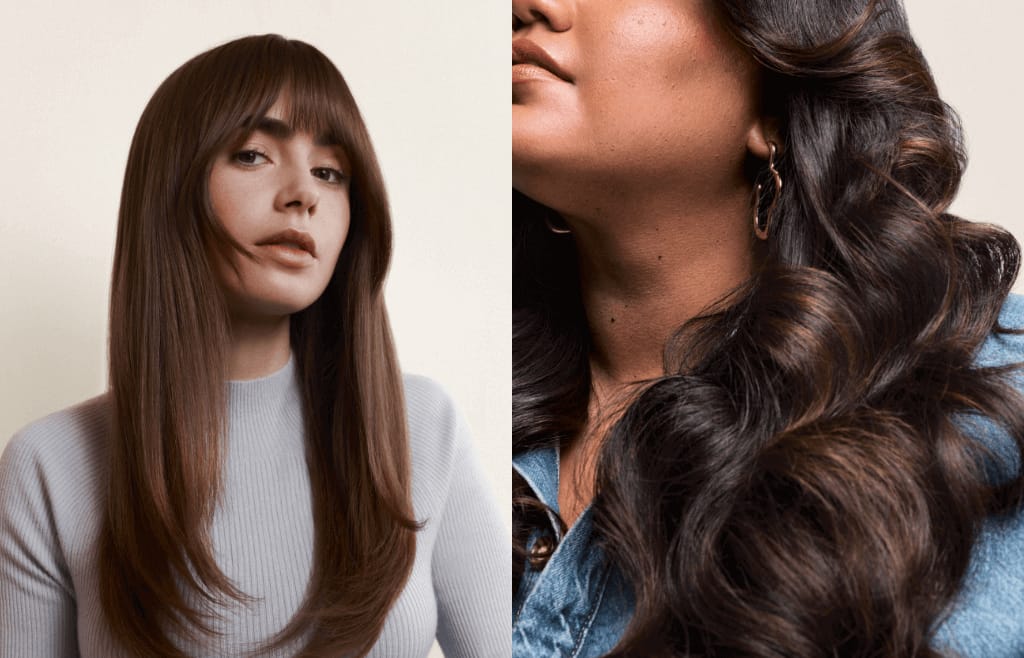
Long-layered haircuts: These styles help to manage the innate fullness of high-density hair by lessening the appearance of bulk while preserving the full look.
Curly styles: Take advantage of your inherent curls to flaunt your high-density hair. Just remember to maintain proper moisture levels in your hair to avoid frizz.
Thinning techniques: Your stylist might use thinning shears to gently eliminate some of the volume in your hair if it is quite dense.
Twists and braids: These and related hairstyles highlight the volume of hair with a high density. In addition to protecting your hair, these styles can help keep knots at bay.
Longer hairstyles: Because of its own weight, longer hairstyles can gently reduce the volume of high-density hair.
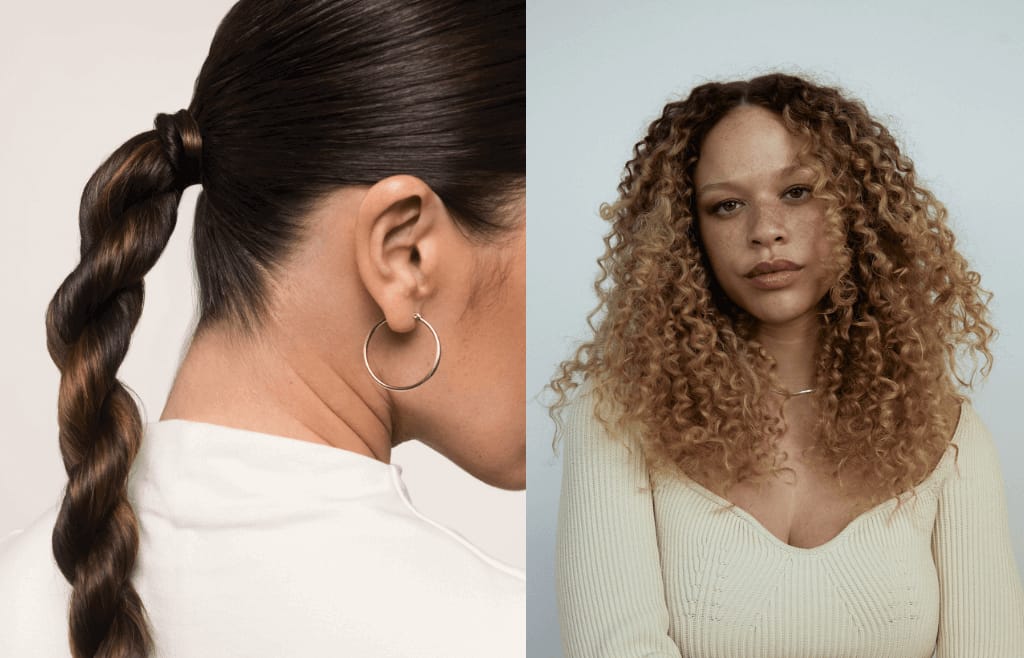
8 Ways to Give the Appearance of Increased Hair Density
There are methods you can do to make your hair look fuller, even though you may not be able to alter the natural amount of hair strands on your head. You may be asking how to improve hair density. Here are a few efficient methods to provide the appearance of denser hair, ranging from using the proper haircare products to styling and treating your hair.
Employ volumizing goods: Choose shampoos, conditioners, and styling products that have a volumizing effect. These products function by giving the appearance of fuller hair strands.
Discover the distinction with our most recent additions to the Full Stylers line:
Full Texturizing Foam: A 3x greater texturizing foam that is dry. Use to revitalize, restyle, or style hair for a carefree, all-day look.
A lightweight styling cream that adds thickness and gives hair a 30% thicker appearance*, Full Thickening Blow-Dry Cream also contains a little amount of conditioning to provide natural, long-lasting body and fullness.
Full Volume & Root-Lifting Spray: Designed for all-day fullness, this invisible volume spray with heat protection delivers two times the volume.
- Try a new hairstyle: Some trims, such as harsh bobs or layered cuts, can provide the appearance of denser hair. See a skilled stylist to choose a look that complements your face shape and hair type.
- Choose lighter hair colors: These hues might reduce the exposure of your scalp and provide the appearance of denser hair. Additionally, adding highlights can give your hairstyle depth and give the impression that it is fuller.
- Employ hair extensions or toppers: These options might provide a noticeable increase in volume. For a natural effect, they can be matched to your hair color and offer instant density.
- Curls or waves are a great way to style your hair because they add volume and create the illusion of enhanced density. Try using no-heat techniques like braiding your moist hair and allowing it to dry naturally, or use curling irons or rollers.
- Try using hair fibers or scalp micropigmentation:Dense hair can be faked with cosmetic procedures like hair fibers, which are small particles that stick to your hair to produce fullness, or scalp micropigmentation, a tattoo process that mimics the appearance of hair follicles.
- Steer clear of thick products: Thick oils and lotions tend to flatten hair, giving it a less dense appearance. Select items that are lightweight and will not weigh your hair down instead.
- Try teasing or backcombing your hair.Teasing or backcombing your hair gently can greatly increase volume and make your appearance denser. Just be careful not to overdo this approach, as it may cause harm to your hair.
Knowing your hair density can make all the difference in the world when it comes to selecting the best products, styling hair in ways that flatter it, and maintaining the health of your hair.
BeautyGem is committed to offering products that meet the requirements of various hair densities and varieties. Our products have been clinically proven to provide focused treatment that brings out its beauty.
Take our Hair Quiz to get started on your customized haircare journey and discover which BeautyGem products are best for your particular hair type, density, and other features.
FAQs
What does density of hair mean?
The quantity of individual hair strands per square inch on your head is known as hair density. Three categories are distinguished: low, medium, and high density.
What distinguishes hair thickness from hair density?
Hair thickness is the breadth or diameter of each individual hair strand, whereas hair density is the total amount of hair strands on your scalp. Thin (fine) hair strands with high hair density or thick (coarse) hair strands with low hair density are both possible.
Why is it vital to know my hair density?
Knowing your hair density enables you to choose products wisely, haircare practices, and appropriate hairstyles. It can assist you with understanding any changes in hair health, choosing products that will not weigh your hair down or undernourish it, and choosing the most flattering hairstyles.
How can I take a home hair density measurement?
By splitting your hair and attentively inspecting your scalp, you may determine the density of your hair. You probably have low-density hair if your scalp is easily noticeable. If it is visible to some extent, you probably have medium-density hair. You might have high-density hair if you can hardly see your scalp. Measuring the circumference of your ponytail is another technique. If it is less than two inches, your hair is most likely low density. You probably have medium-density hair if it measures two to three inches. You have high-density hair if it measures four inches or more around.
Can I grow my hair out more densely?
There are several techniques to make your hair appear denser, even if it is hard to grow more hair follicles on your scalp without the aid of medical procedures or medications. These include choosing lighter hair colors, trying out new haircuts that provide the appearance of volume, applying volumizing products, and styling your hair in ways that give it more fullness.